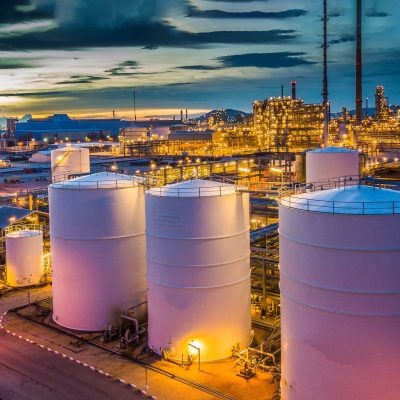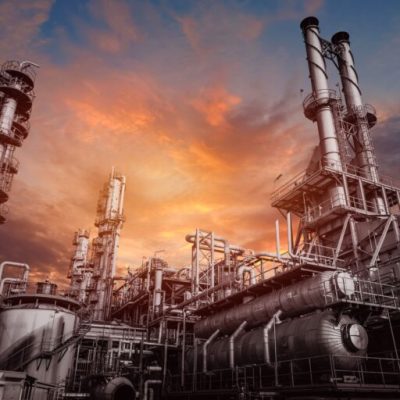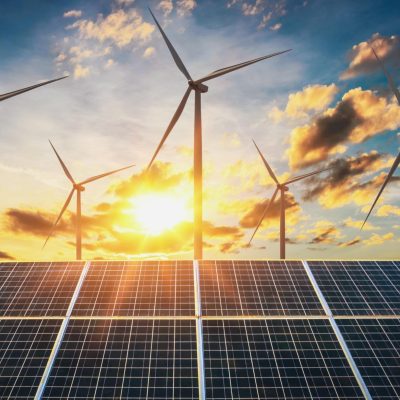




In the modern energy debate, the conversation is often polarized into a binary choice: fossil fuels or renewables. But for those on the front lines of global infrastructure, the reality is far more nuanced. As we navigate 2026, the industry is reaching a consensus: the most resilient, cost-effective, and sustainable path forward isn’t a single source—it’s the Hybrid Energy System.
At Purus Energy Services, we advocate for an “All-of-the-Above” strategy. Here is why integrating diverse energy sources into a single, unified grid is the only viable solution for our global future.
1. Solving the Intermittency Gap
The greatest challenge of wind and solar energy is intermittency—the sun doesn’t always shine, and the wind doesn’t always blow. While battery storage technology is advancing rapidly, it is not yet at the scale required to back up entire industrial cities for days at a time.
The Hybrid Fix: By pairing utility-scale solar farms with Nuclear baseload power or high-efficiency Natural Gas peaking plants, we create a “firm” energy supply. This ensures that hospitals, factories, and homes stay powered regardless of weather conditions, using renewables to lower the carbon intensity of the total mix.
2. Industrial-Scale Reliability
Heavy industry—steel manufacturing, data centers, and chemical processing—requires immense, steady voltage that many current renewable setups struggle to provide independently.
- Nuclear + Solar: Nuclear provides the steady, 24/7 thermal energy, while solar handles the peak daytime surges in demand.
- Gas + Hydrogen: We are increasingly seeing natural gas facilities being retrofitted to burn a blend of hydrogen, allowing traditional plants to act as a bridge to a zero-carbon future.
[Graphic: Daily Load Curve showing Solar peaking midday and Nuclear/Gas providing the “Floor”]
3. Maximizing Existing Infrastructure ROI
Tearing down the old to build the new is not only expensive—it’s environmentally taxing. A hybrid approach allows us to utilize existing pipeline rights-of-way and grid interconnects.
At Purus, we specialize in “Co-Location” projects. This involves installing solar arrays on the unused land of oil refineries or nuclear exclusion zones. By using the existing electrical infrastructure already on-site, we can bring renewable energy to the grid years faster than building a new “greenfield” site from scratch.
4. Economic Resilience and Energy Security
Relying on a single energy source leaves a nation or a corporation vulnerable to market shocks, geopolitical instability, or resource scarcity.
- Diversification: A hybrid portfolio protects against price spikes in any one commodity.
- Localized Grids: Hybrid microgrids—combining solar, small-scale wind, and battery backup—allow remote industrial sites to operate independently of a failing or overtaxed main grid.
The Purus Perspective: Integration is Innovation
The “All-of-the-Above” strategy isn’t about stalling the transition to green energy; it’s about making that transition functional. At Purus Energy Services, our technical teams are trained across the spectrum. We don’t see a conflict between maintaining a gas turbine and installing a solar inverter—we see two parts of the same machine. True innovation lies in the integration of these systems to create a grid that is cleaner, stronger, and more reliable than anything that came before it.