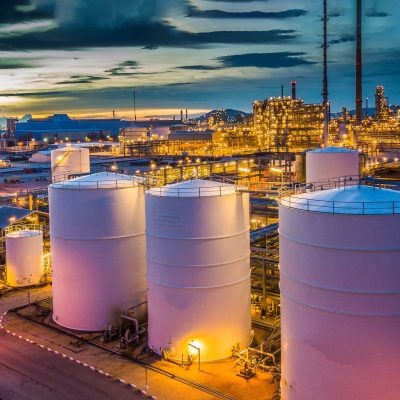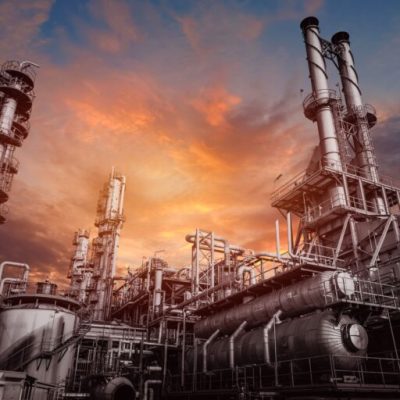



The industrial sector—including steel, cement, chemicals, and heavy manufacturing—is responsible for nearly 30% of global greenhouse gas emissions. Because these industries require high-grade thermal heat and intense power loads, they are often labeled “hard-to-abate.”
However, at Purus Energy Services, we believe the path to Net Zero is not only possible but provides a significant competitive advantage. Here is the strategic roadmap for the next quarter-century of industrial evolution.
Phase 1: The Efficiency Era (2026–2030)
Focus: Optimization and Low-Hanging Fruit
Before a plant can transition to new fuels, it must first stop wasting the energy it already uses. The next four years will be defined by Digital Transformation.
- AI-Driven Optimization: Implementing real-time monitoring to reduce energy waste in HVAC, steam systems, and motor drives.
- Waste Heat Recovery: Capturing the massive amounts of thermal energy currently vented into the atmosphere and repurposing it for onsite power or district heating.
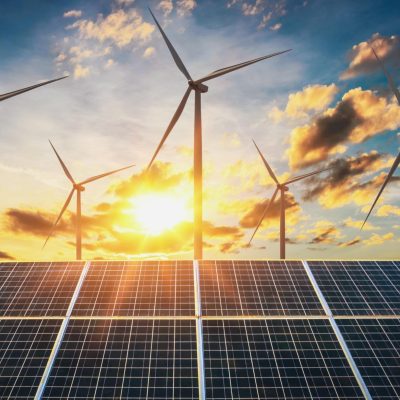
- Co-Location of Renewables: Installing utility-scale solar and battery storage on industrial brownfields to offset the carbon intensity of the local grid.
Phase 2: The Fuel Switch & Carbon Capture (2030–2040)
Focus: Deep Decarbonization of High-Heat Processes
By 2030, the “low-hanging fruit” will be exhausted. Industry must then address the core fuels used for high-temperature manufacturing.
- The Hydrogen Transition: Retrofitting natural gas furnaces to run on “Green Hydrogen” (produced via electrolysis) or “Blue Hydrogen” (with carbon capture).
- CCUS (Carbon Capture, Utilization, and Storage): For processes where CO₂ is a chemical byproduct (like cement and steel), CCUS becomes mandatory. Purus is already helping firms design the “Capture-Ready” infrastructure for these sites.
- Electrification of Heat: Moving from gas-fired boilers to industrial-scale heat pumps and electric arc furnaces, powered by a 24/7 carbon-free mix of Nuclear and Renewables.
Phase 3: The Circular & Nuclear Grid (2040–2050)
Focus: Full Autonomy and Zero-Carbon Baseload
In the final decade leading to 2050, the industrial site becomes a “Prosumer”—a producer and a consumer of energy that operates within a circular economy.
- SMR Integration: Industrial parks will deploy onsite Small Modular Reactors (SMRs) to provide dedicated, 24/7 carbon-free steam and electricity, removing reliance on the public grid.
- Feedstock Revolution: Moving away from fossil-based raw materials to bio-based or recycled feedstocks in chemical and plastic manufacturing.
- Direct Air Capture (DAC): Large industrial hubs will host DAC facilities to actively remove CO₂ from the atmosphere, offsetting any remaining “stubborn” emissions and achieving true Net Zero.
The Challenges Ahead
- Capital Intensity: These transitions require massive upfront investment.
- Infrastructure Lag: Green hydrogen and CCUS require a pipeline network that is still being built today.
- Regulatory Harmony: Global industries need consistent carbon pricing to ensure a level playing field.
The Purus Perspective: Starting Today
A roadmap is useless if you don’t start the engine. At Purus Energy Services, we help industrial leaders begin Phase 1 today while engineering the infrastructure for Phase 2 and 3. Decarbonization is not a single project; it is a 25-year evolution of operational integrity.