


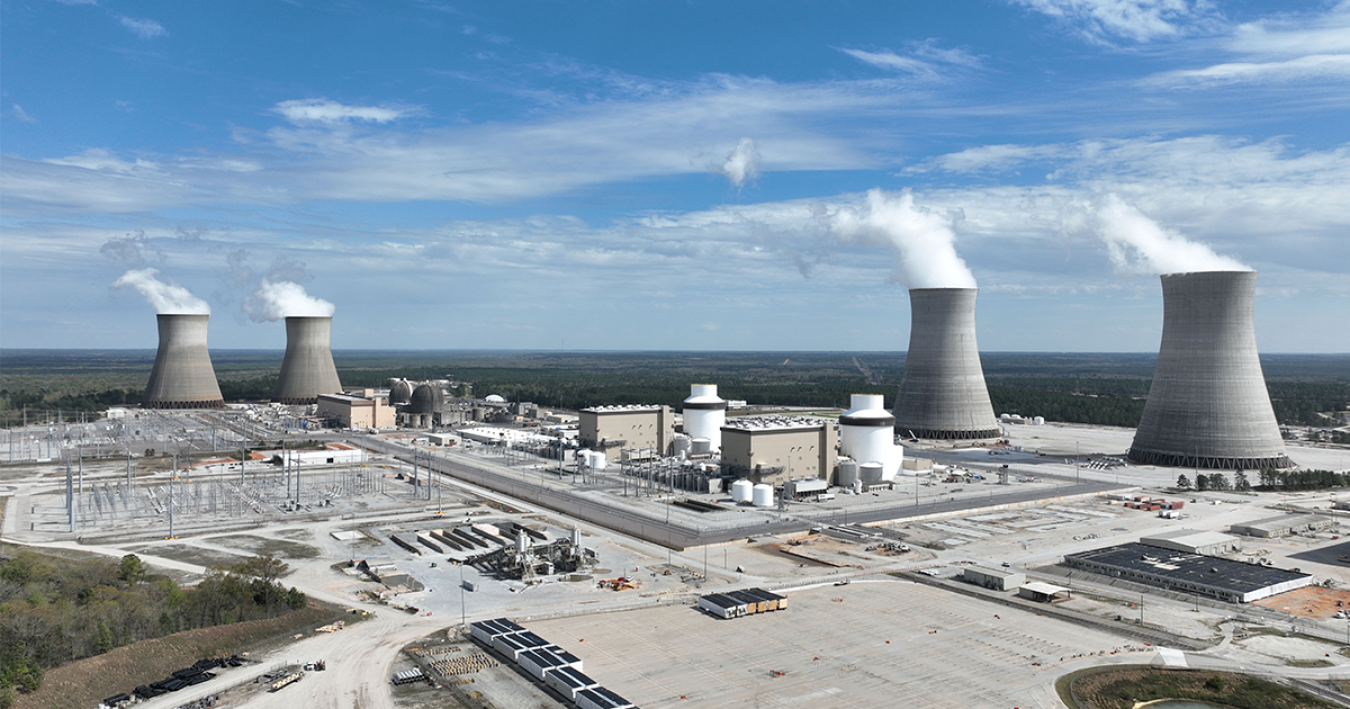
For decades, nuclear energy was defined by “the bigger, the better.” Massive containment domes and multi-gigawatt plants were the industry standard. But as the global grid decentralizes and the need for carbon-free baseload power becomes urgent, the script is being rewritten.
Enter the Small Modular Reactor (SMR)—the technology defining nuclear energy’s “Second Act.” At Purus Energy Services, we are seeing a fundamental shift in how nuclear power is integrated into the energy mix. Here is why SMRs are the future of reliable, carbon-free power.
1. What Makes a Reactor “Small” and “Modular”?
Unlike traditional Light Water Reactors (LWRs) that are massive, custom-built civil engineering projects, SMRs are designed with two core principles:
- Small: They typically produce between 50 MW and 300 MW (compared to the 1,000+ MW of traditional plants). This makes them ideal for powering specific industrial hubs, remote communities, or replacing retiring coal plants.
- Modular: They are factory-fabricated. Instead of years of on-site concrete pouring, major components are built in a controlled factory environment and shipped to the site via truck or rail for assembly.
2. Enhanced Safety: Passive Cooling Systems
The “Modular” revolution isn’t just about size; it’s about safety. Many SMR designs utilize passive safety systems. In the event of a power loss, these reactors rely on natural circulation, convection, and gravity to cool the core—eliminating the need for the complex, redundant pump systems and human intervention required by older generations.
At Purus, our safety teams are specifically training for these autonomous cooling environments, ensuring that “Zero-Harm” is built into the physics of the plant itself.
3. Replacing the Coal Fleet
One of the most exciting applications of SMRs is “Coal-to-Nuclear” repowering. Because SMRs have a much smaller physical footprint than traditional nuclear plants, they can often be sited on the grounds of retiring coal-fired power stations.
- Infrastructure Reuse: They can utilize the existing grid interconnections, cooling water access, and even the local skilled workforce.
- Grid Stability: SMRs provide the steady, “always-on” power that coal once provided, but with zero carbon emissions.
4. Lowering the Financial Barrier
Traditional nuclear plants are notorious for multi-billion dollar price tags and decades-long construction timelines. SMRs flip the economic model:
- Lower Upfront Capital: Smaller projects mean smaller loans and lower risk for investors.
- Serial Production: As more units are manufactured in factories, “economies of series” will drive costs down, much like we saw with the mass production of solar panels.
5. The Perfect Partner for Renewables
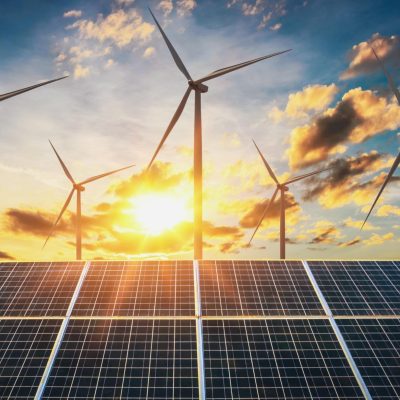
SMRs are the ultimate teammates for wind and solar. Some SMR designs are capable of load-following, meaning they can ramp their power output up or down to balance the intermittency of renewable sources. When the sun sets, the SMR scales up; when the wind is at its peak, the SMR can divert its heat to industrial processes or hydrogen production.
The Purus Perspective: Scaling the Future
At Purus Energy Services, we are preparing for the SMR rollout by expanding our specialized nuclear maintenance and regulatory compliance teams. We believe that the decentralization of nuclear power through SMRs is the key to a resilient, 24/7 carbon-free grid.
The “Second Act” of nuclear energy isn’t about building bigger—it’s about building smarter.